Introduction
In hospitality, reputation is everything — and nothing damages it faster than a pest sighting. A single guest photo of a cockroach or a bed bug bite can become a public review seen by thousands of prospective guests. For hotels, resorts and serviced apartments, proactive pest management is not an operational detail; it is brand protection.
Guest Expectations
Modern guests expect spotless, hygienic environments and will not tolerate pest issues. Expectations are amplified by online reviews and social media, where negative experiences spread quickly and permanently affect booking decisions and revenue.
Hotel Risks & Common Hotel Pests
Hotels are uniquely vulnerable because guests, luggage, deliveries and food service all create pest pathways. The most common hospitality pests include:
- Bed bugs — the single biggest reputational threat, spread via luggage.
- Cockroaches — in kitchens, laundries and drainage.
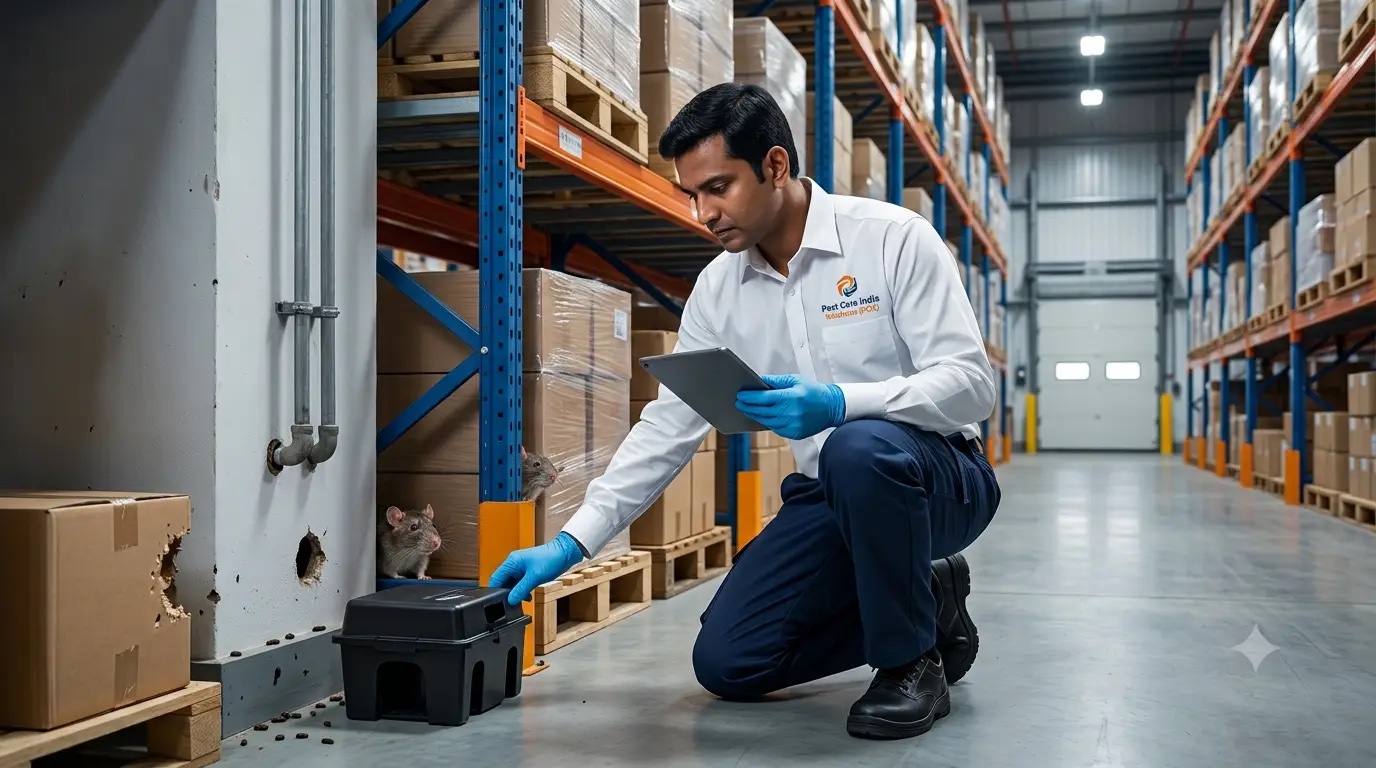
- Rodents — in stores, voids and back-of-house areas.
- Flies — around dining, kitchens and waste.
- Mosquitoes — around landscaping, pools and water features.
- Lizards — in guest rooms and food areas.
Bed bugs travel on guest luggage and spread room-to-room. Early detection and rapid, discreet treatment are essential to protect both guests and reputation.
Preventive Checklist
A strong hospitality programme is built on disciplined daily practices across departments:
- Staff training — teach teams to recognise and report early signs.
- Inspection frequency — schedule regular professional inspections.
- Room turnover — check mattresses, headboards and seams between guests.
- Waste management — sealed bins and prompt removal.
- Laundry — high-temperature washing and careful handling.
- Kitchen — rigorous cleaning, drain hygiene and food storage.
- Receiving area — inspect incoming deliveries and packaging.
- Housekeeping — integrate pest checks into cleaning routines.
Empower housekeeping as your first line of defence. Staff who inspect during every room turnover catch problems days or weeks earlier than scheduled pest visits alone.
The Role of IPM
An Integrated Pest Management approach ties these practices together — combining prevention, monitoring, discreet treatment and documentation. It keeps hotels pest-free without disruptive, guest-facing chemical treatments, and adapts to seasonal and occupancy-driven pest pressures.
Why Documentation Matters
Structured records protect hospitality businesses during brand audits, franchise inspections and, if needed, guest disputes. A documented programme demonstrates due diligence — showing that inspections, monitoring and corrective actions were carried out consistently and professionally.
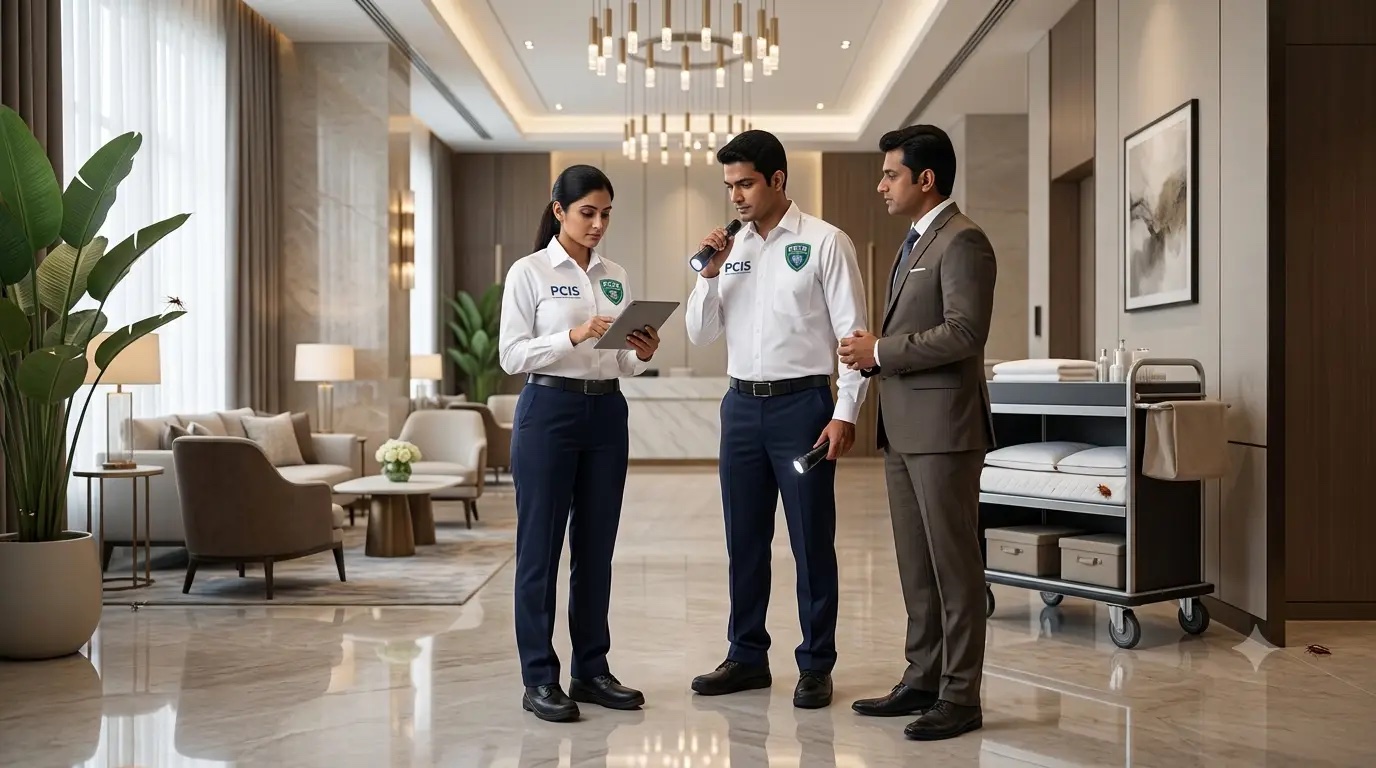
Professional hospitality pest management is planned around guest experience — discreet uniforms, off-peak scheduling and unobtrusive monitoring devices.
Choosing the Right Partner
Select a provider with genuine hospitality experience, rapid response capability, discreet service and complete documentation. The right partner understands that in hotels, how a service is delivered matters as much as the result.
Conclusion
For hotels and hospitality businesses, pest management is a continuous, preventive discipline that protects guests, reviews and revenue. Combining trained staff, daily best practices and a professional IPM programme is the most reliable way to stay pest-free and safeguard your reputation.